Things to Do in Pisa in One Day
We went to Pisa to see its world-famous Leaning Tower, but were delighted to realize that it’s one of the most beautiful cities in Tuscany. There are so many things to do in Pisa in one day that staying longer is a great idea.
The beautiful Piazza del Duomo is the city’s main square. Several of Pisa’s main attractions are here: the Cathedral, with the tower and the baptistery, an ancient cemetery, and a couple of museums.
But there’s more. The city has a lovely botanical garden, an impressive city wall surrounds the Old Town, and there are gorgeous streets with colonnades. Pisa is a big university city, so it’s always bustling with life.
Visit the Cathedral
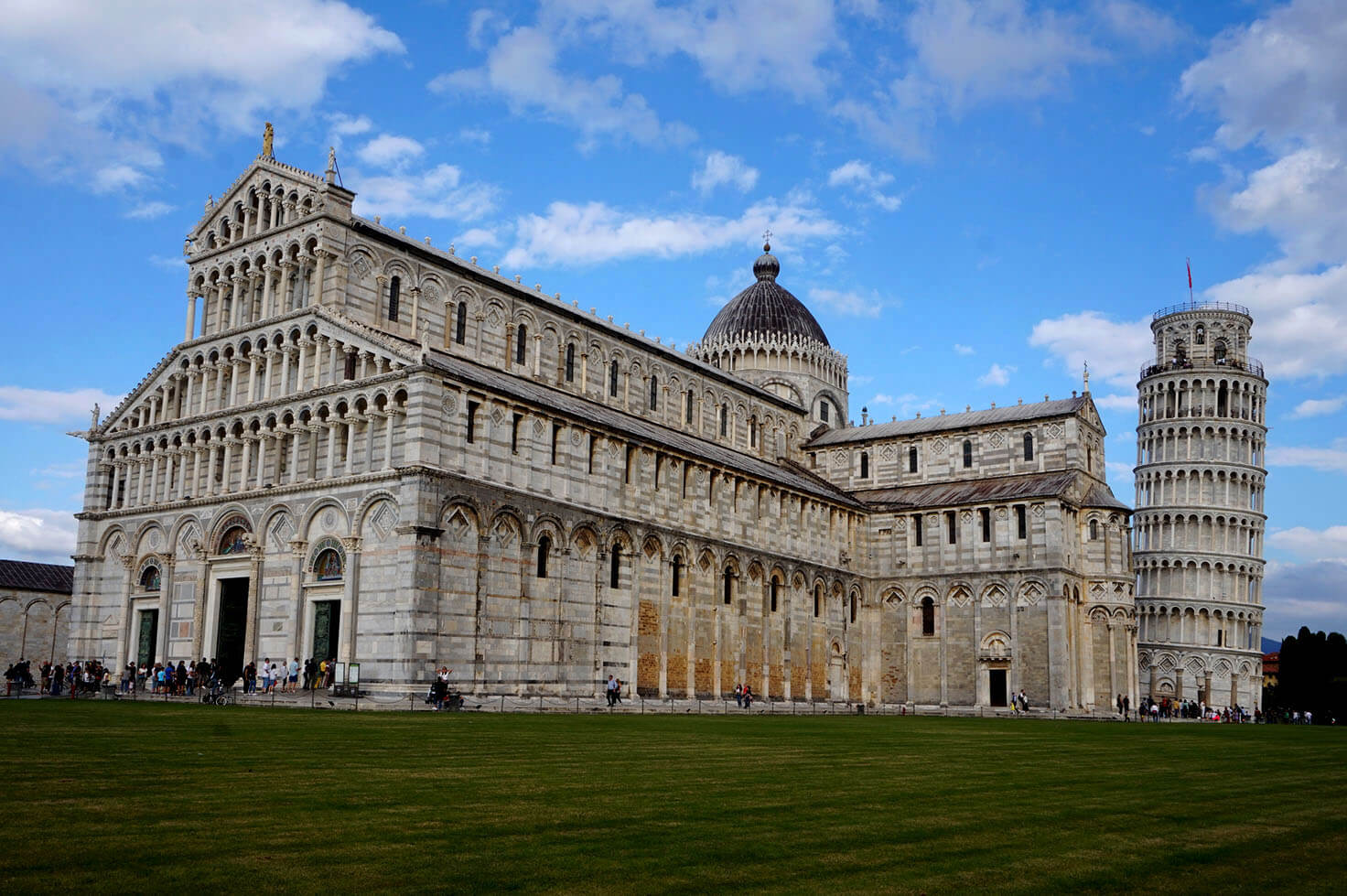
Pisa’s most impressive structure is its medieval Cathedral. The late 11th-century church is one of the most important examples of Romanesque architecture in Italy.
The first things you’ll notice are the alternating strips of grey and white marble, the continuous rows of loggias on the main façade, and the large oval dome, inspired by Byzantine and Islamic architecture.
The interior is equally impressive. There’s a large central nave with four side aisles. The intricate wooden ceiling was added after the great fire of 1595. The pulpit, on the other hand, is a Gothic masterpiece.
Climb the Leaning Tower
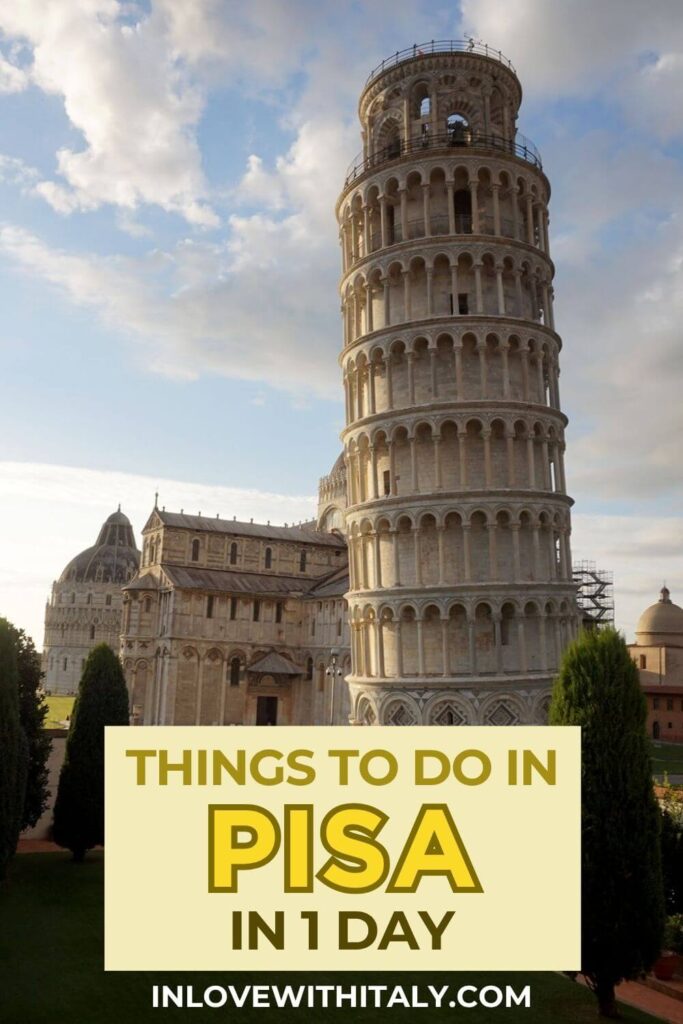
Everyone has heard of Pisa’s Leaning Tower. We’ve all seen silly pictures of people pretending to prevent the tower from falling. But let’s go past all that: the tower is truly impressive!
The tower’s construction started in the 12th century, but it was only finished in 1372. Due to the soft terrain, it gradually started to lean. It features similar architecture to the Cathedral: there is white and grey marble and continuous loggias along its façade.
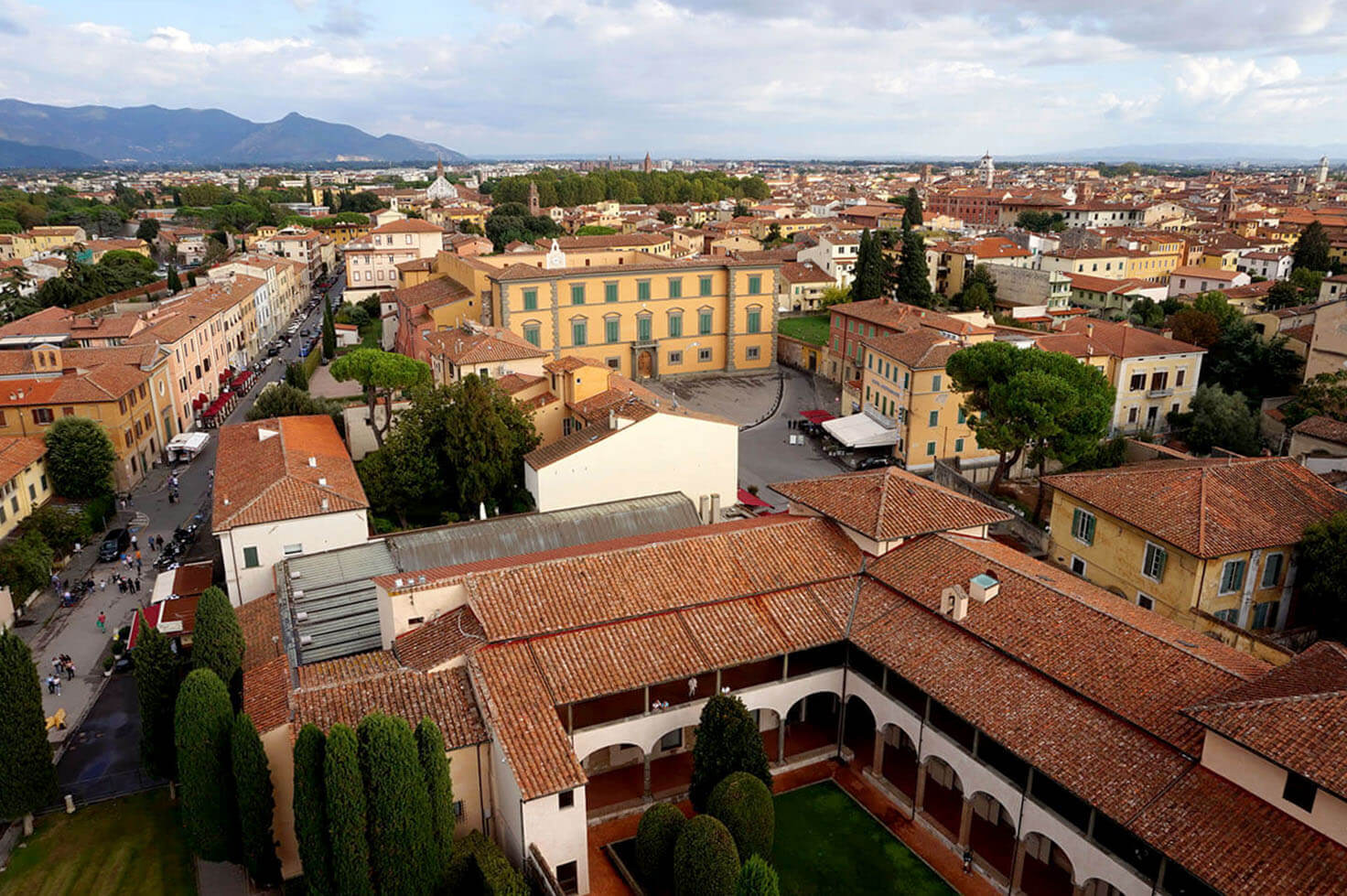
It is absolutely worth climbing its seven floors. You’ll get to see a 360-degree view of Pisa. Since we are talking about a highly popular attraction, you need to book your ticket in advance.
Roam around Piazza del Duomo
The Piazza del Duomo, or Cathedral Square, is Pisa’s most important square. Apart from the Cathedral and the Leaning Tower, you must not skip the Baptistery. The 14th-century structure features a mix of Romanesque and Gothic elements and is the largest baptistery in Italy.
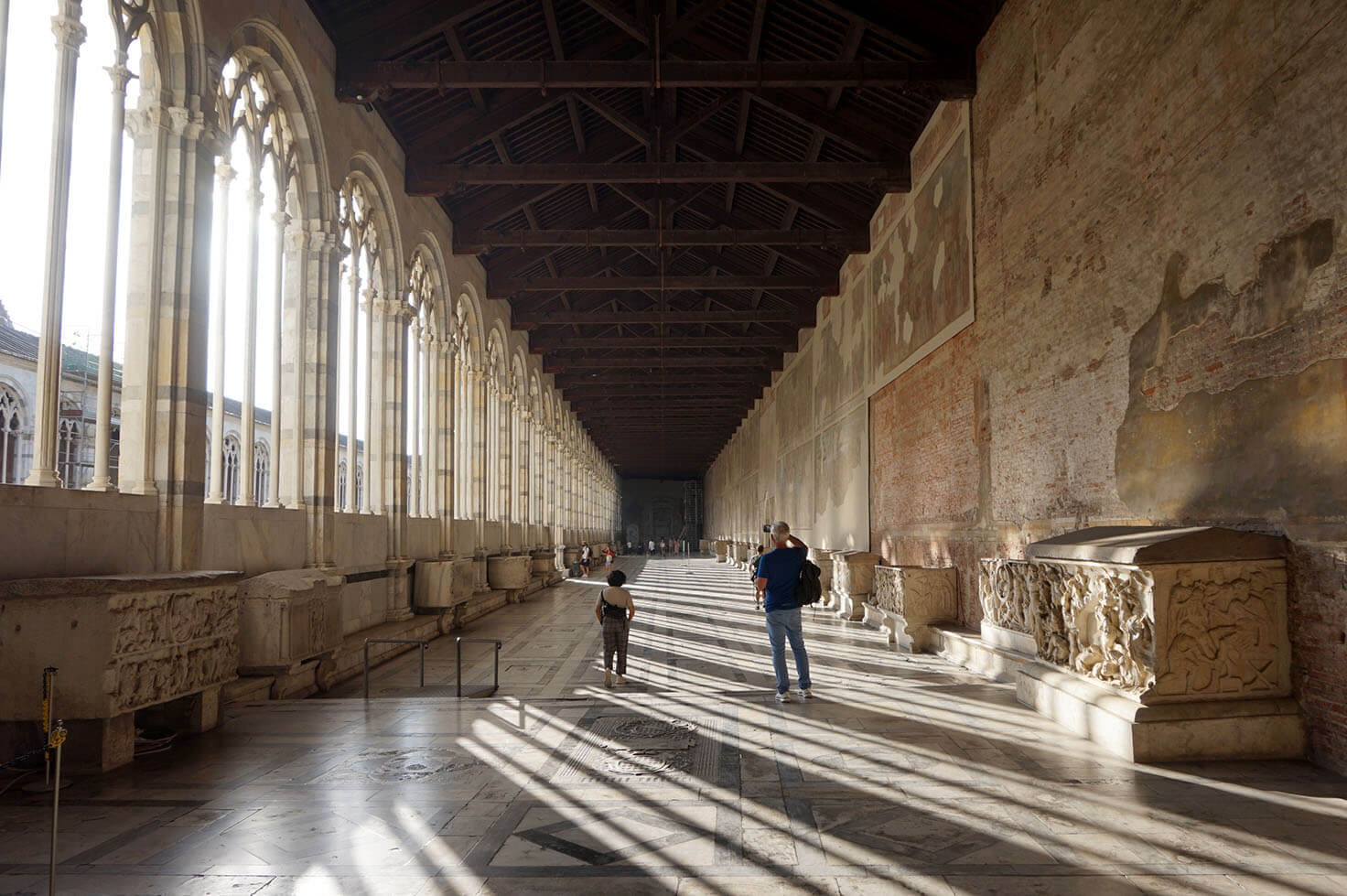
The next structure you should visit is the Camposanto Monumentale, a 13th-century Gothic cloister housing Roman sarcophagi and medieval paintings. Supposedly, it was built on land brought from Golgotha by the Crusaders.
If you have more time, there are three museums worth visiting. The Palazzo della Opera della Primaziale Pisana hosts temporary exhibitions, the Museo dell’Opera del Duomo houses medieval and Gothic sculptures and paintings, and the Museo delle Sinopie displays sketches drawn by medieval artists.
Walk along the City Walls
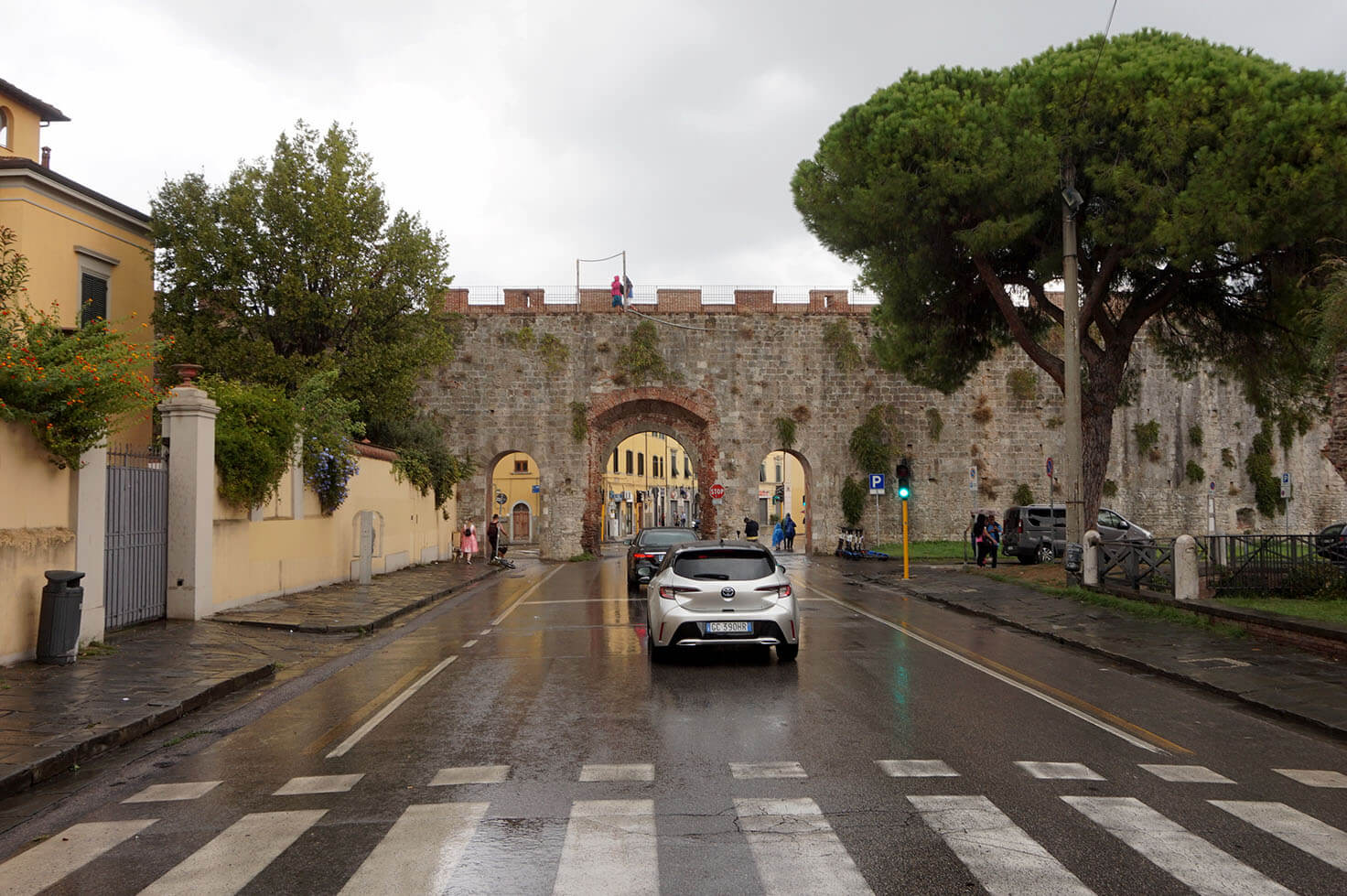
Once on the square, you’ll notice a large city wall on its western and northern sides. The 11-meter-high (36 feet) medieval wall is one of Italy’s oldest. It is perfectly preserved, and you can climb to the top.
About 3 kilometers (1.9 miles) of the wall are open to visitors. You can start your walk by climbing the wall at Torre Santa Maria (next to Camposanto) and continue all the way to Torre di Legno, next to the river.
From the wall, you’ll be able to see many interesting buildings. First, you’ll observe the Baths of Nero (Bagni di Nerone) from the 1st century AD. Then you’ll pass by the 11th-century San Zeno Church. If you don’t have much time, you can descend at Bastione del Parlascio, Torre Piezometrica, or Piazza delle Gondole.
Rest in the Botanical Garden
Pisa is a popular destination, and there are tourists almost everywhere. However, one place right in the heart of the Old Town offers a quiet getaway from the crowds.
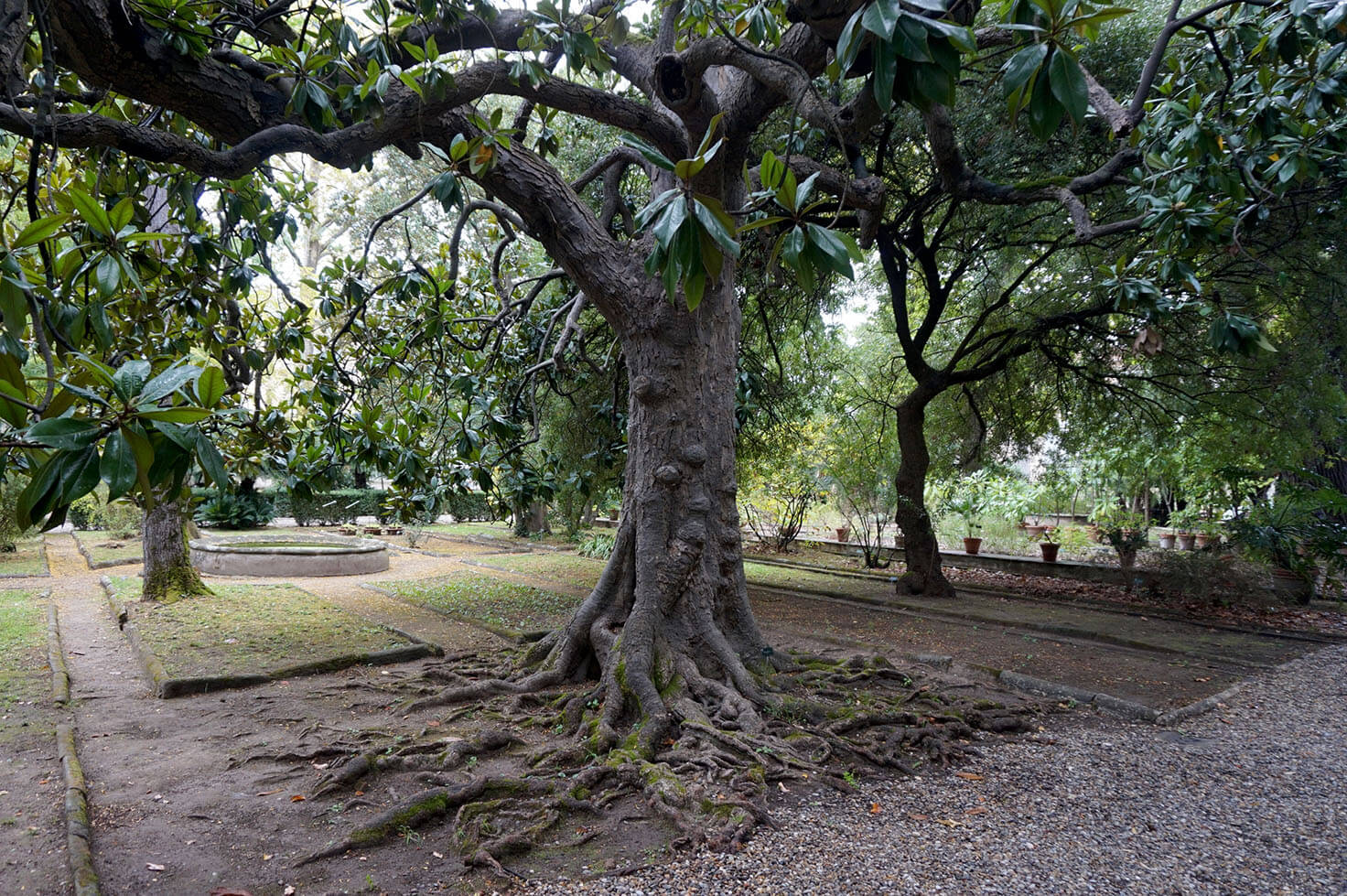
Pisa’s Botanical Garden (Orto Botanico) was opened in the 16th century and is the oldest university botanical garden in the world. Here you’ll find plants ranging from African and American succulents to Tuscan wetland plants and Mediterranean aromatic plants.
Inside the garden, there’s an interesting Botanic Museum hosting portraits of famous botanists and objects used for teaching botany. There’s also a nice herbarium.
Visit Piazza dei Cavalieri
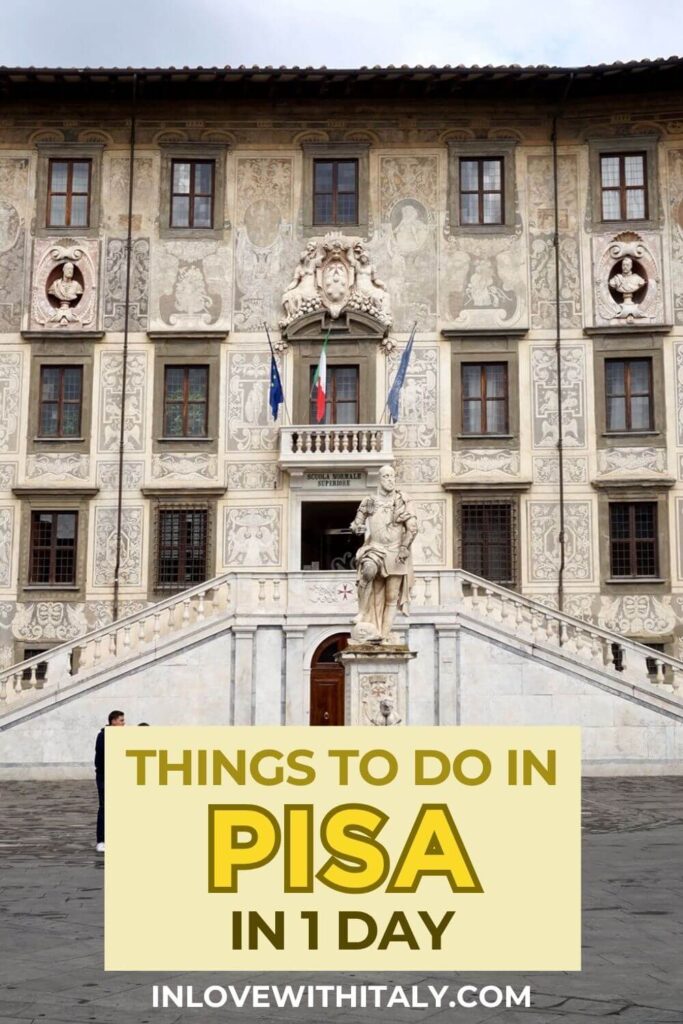
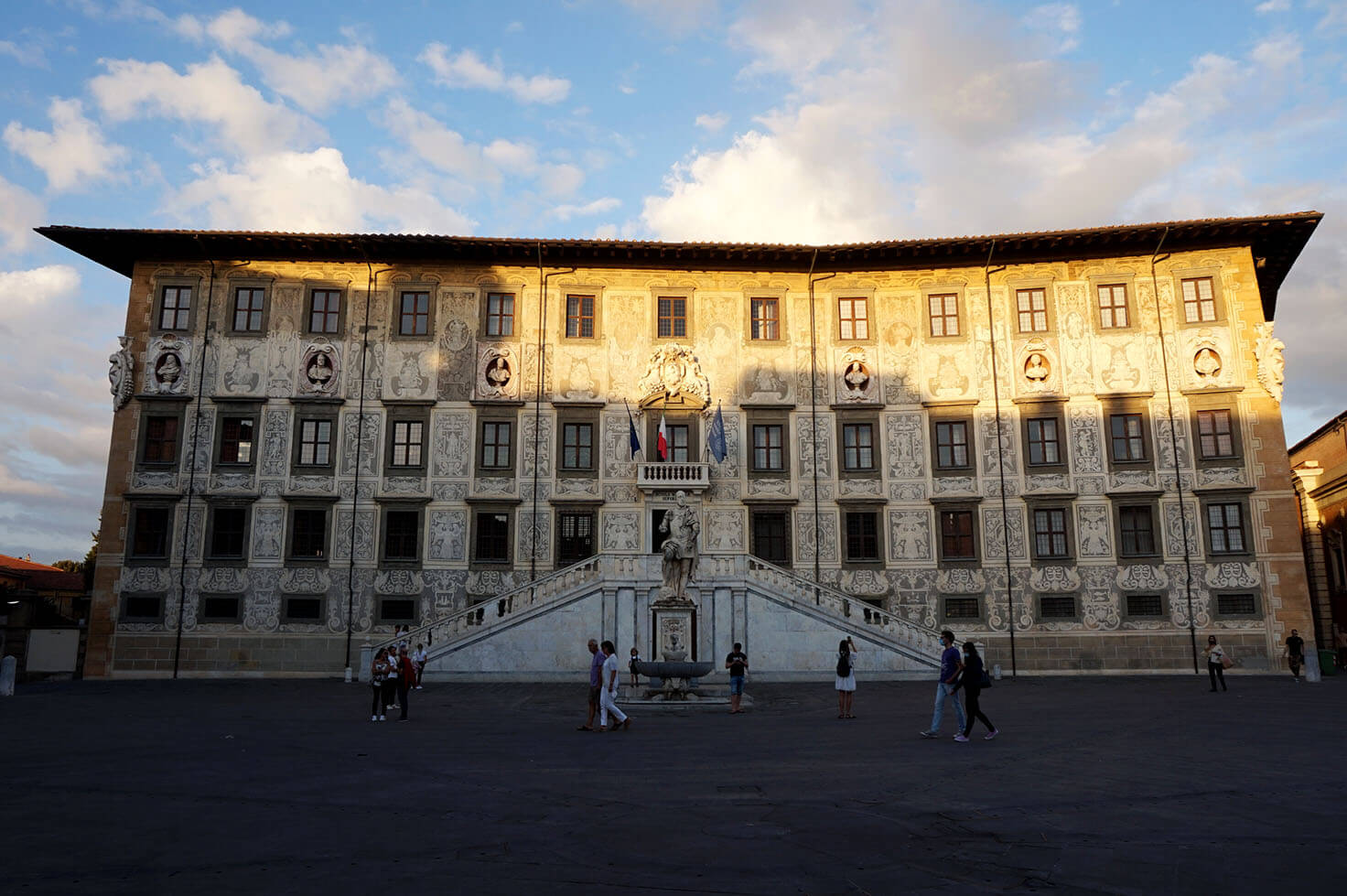
Another square absolutely worth visiting is the monumental Piazza dei Cavalieri. In ancient times, it was probably the location of the Roman Forum, and later it became Pisa’s political and cultural center.
The one building that dominates the square is the 16th-century Palazzo della Carovana. It used to be the seat of the Knights of Saint Stephen, and today it hosts the Scuola Normale Superiore di Pisa.
Other notable buildings on the square include the Chiesa di Santo Stefano dei Cavalieri, the Palazzo della Canonica, the Palazzo del Consiglio dei Dodici, the Collegio Puteano, and the Palazzo dell’Orologio.
Have Coffee or Aperol Spritz on Borgo Stretto
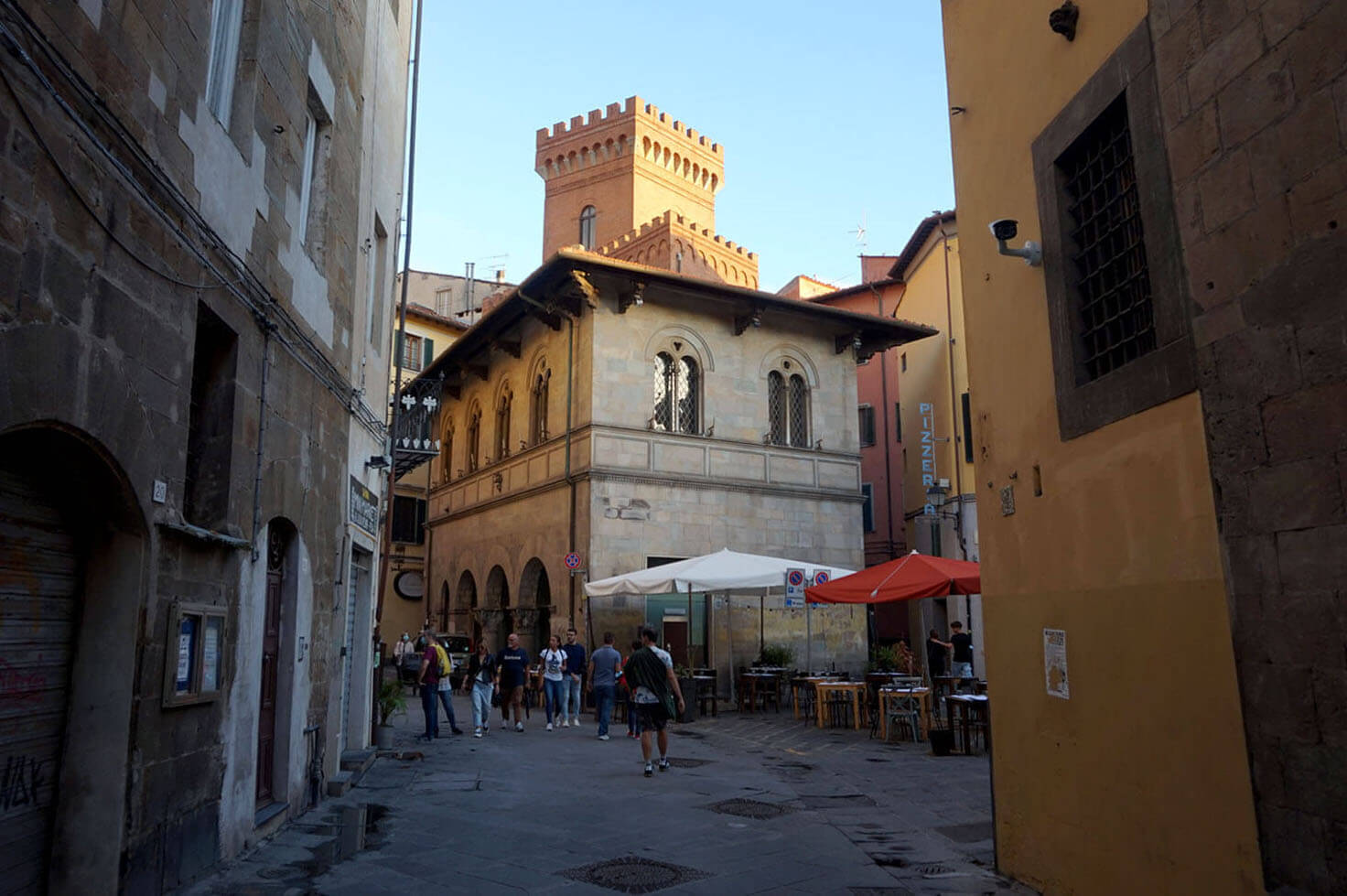
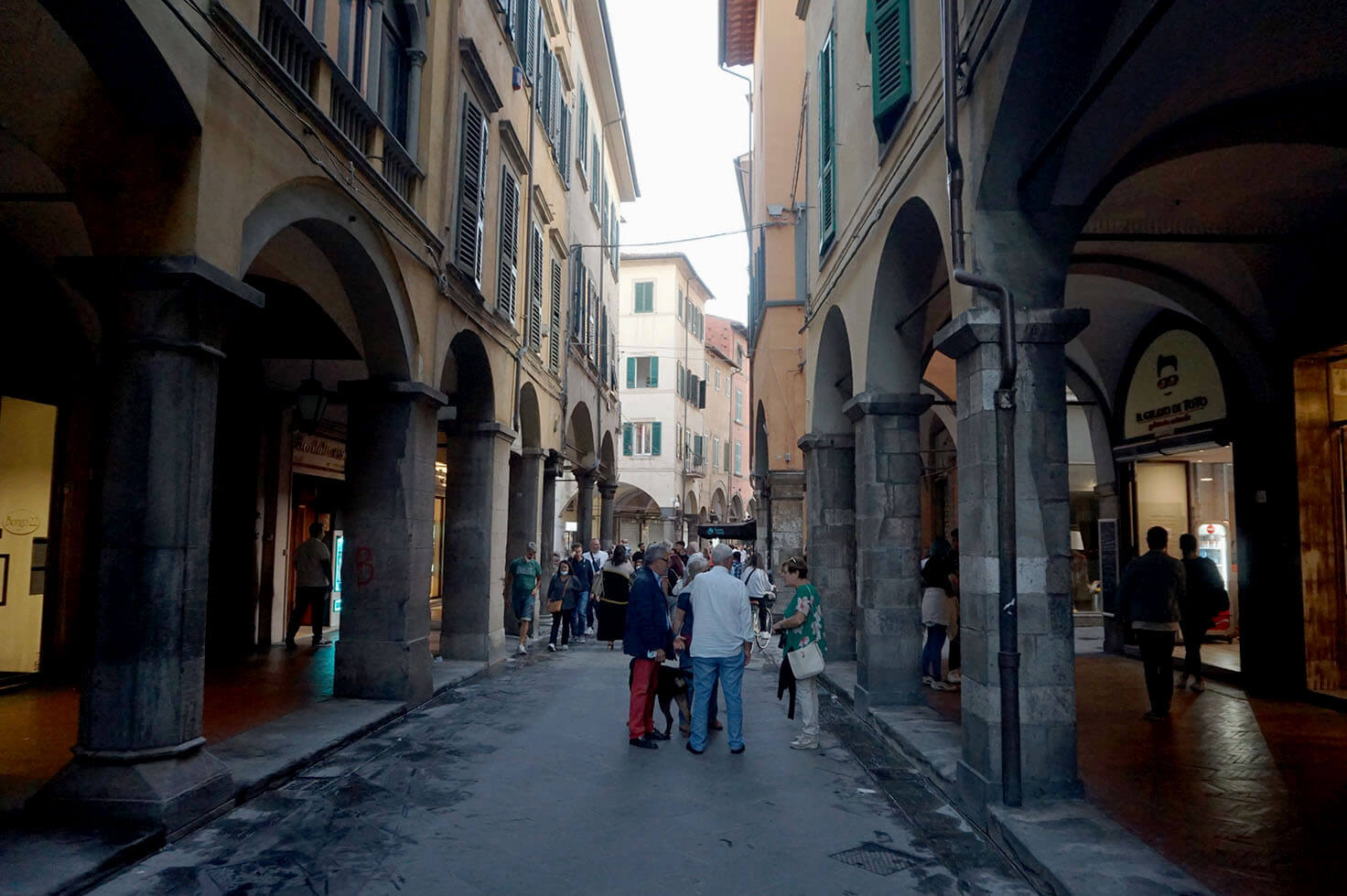
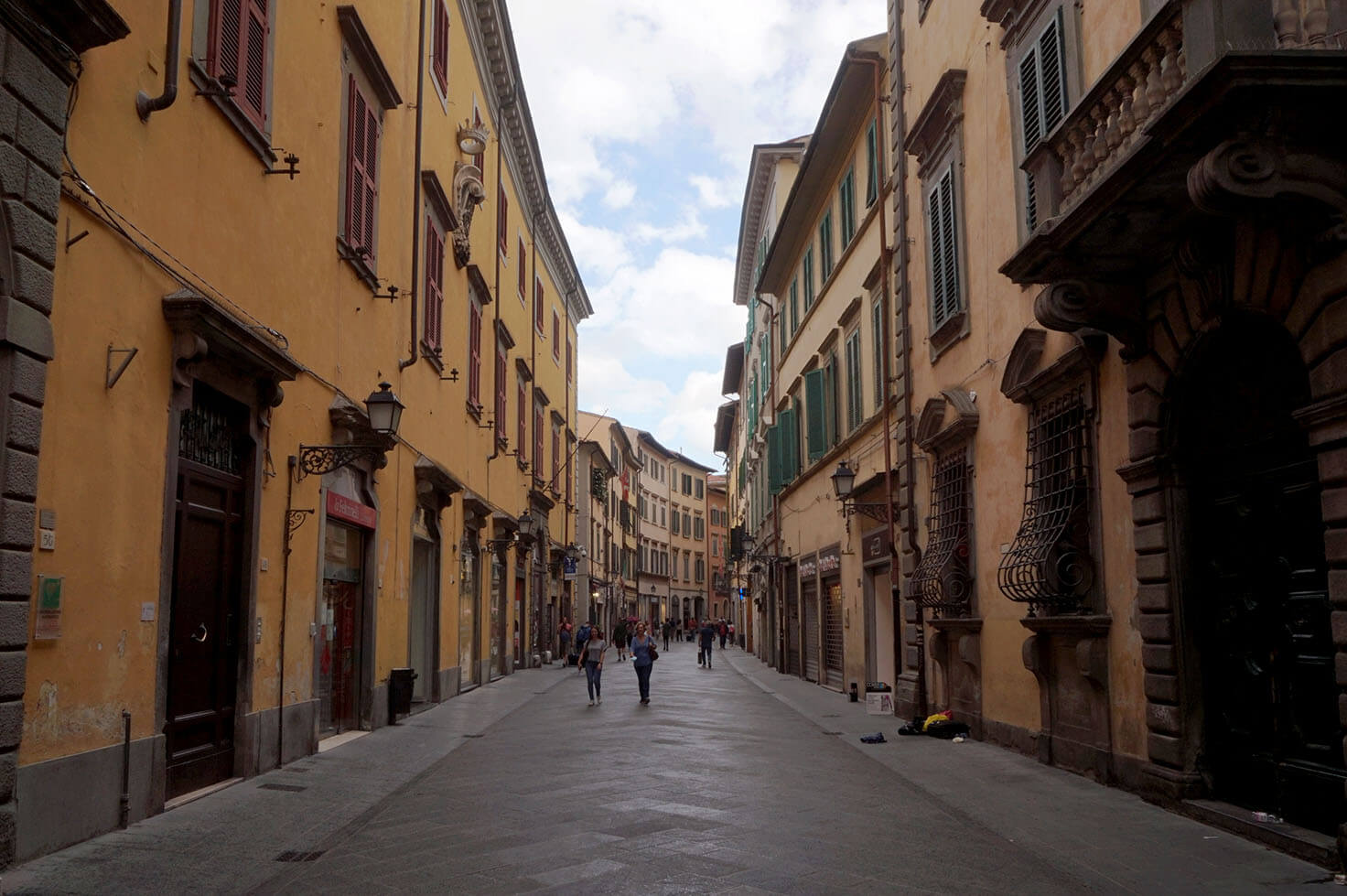
Borgo Stretto is one of Pisa’s main streets. It’s a narrow medieval street with covered arcades lined with boutique shops and cute cafés.
For coffee and pancakes, go to Brunch Republic Pisa. They serve an all-day brunch in a nice, colorful space. Other favorites include avocado toasts, egg dishes, burgers, and bagels.
Our favorite place to have an Aperol spritz is Bocconcino Pisa. They also have delicious pizzas, focaccia, and a wide selection of cocktails.
Walk along the River to Santa Maria della Spina
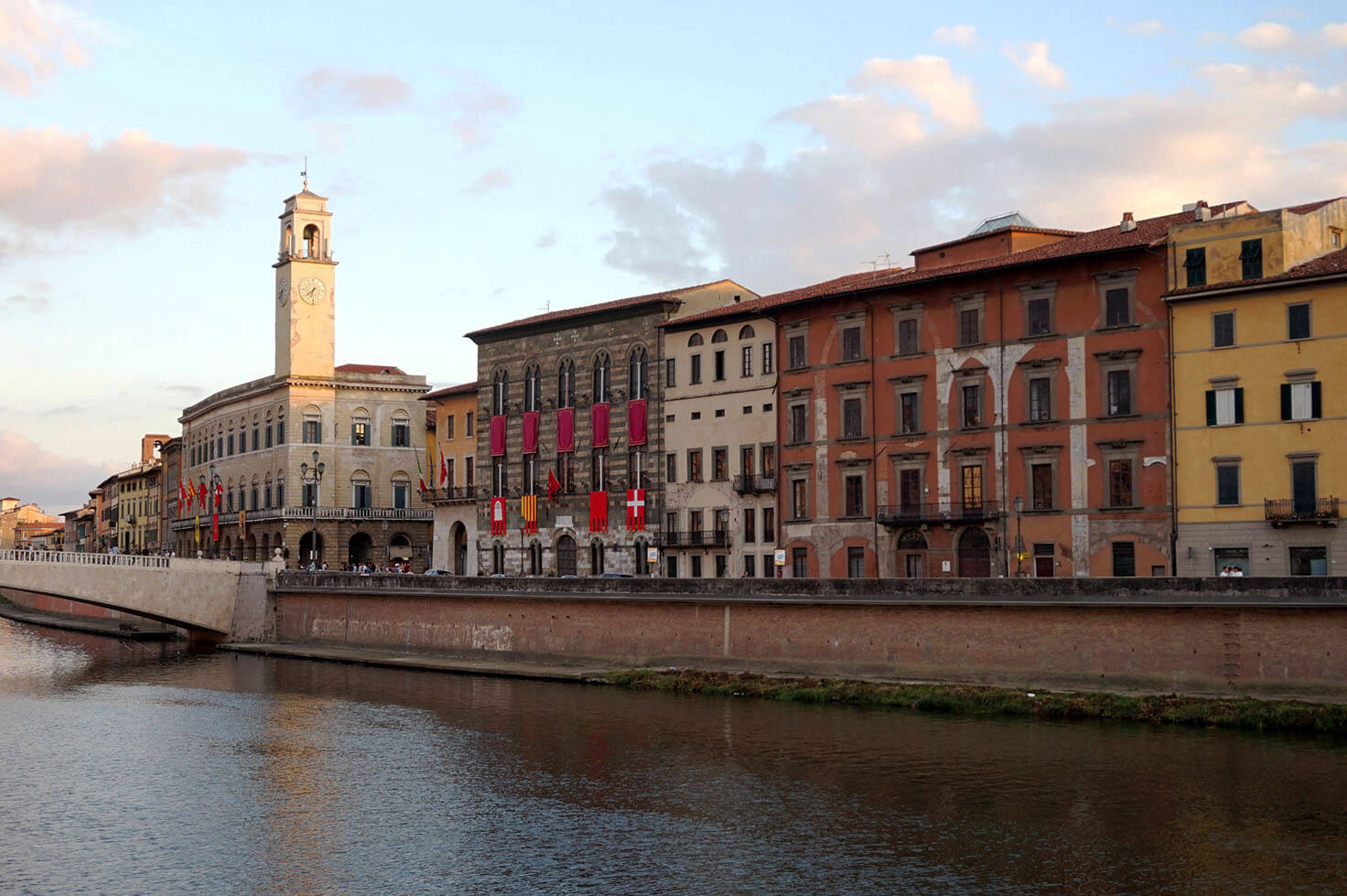
The Arno River is Pisa’s heartbeat. The beautiful river passes through Florence and Pisa before reaching the Ligurian Sea. Some of the most impressive buildings in Pisa line its banks.
You can start your walk at Piazza Garibaldi, a small square at the end of Borgo Stretto. Before reaching Ponte Solferino, you’ll pass by the National Museum of the Royal Palace.
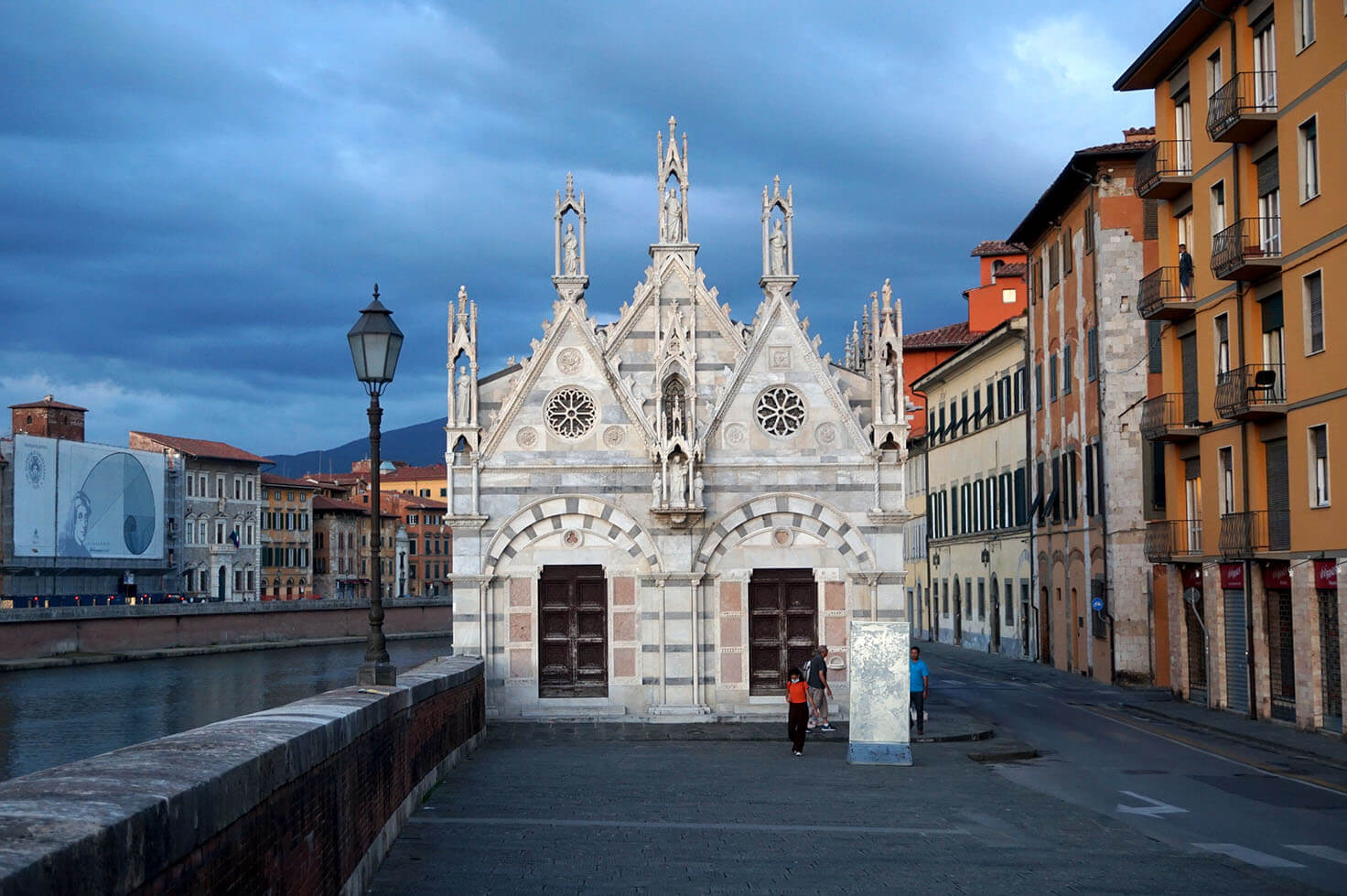
Santa Maria della Spina Church is across the river. The 13th-century church is an interesting example of Pisan Gothic. Take some time to observe its incredibly detailed exterior decoration.
Explore the Colorful Street Art
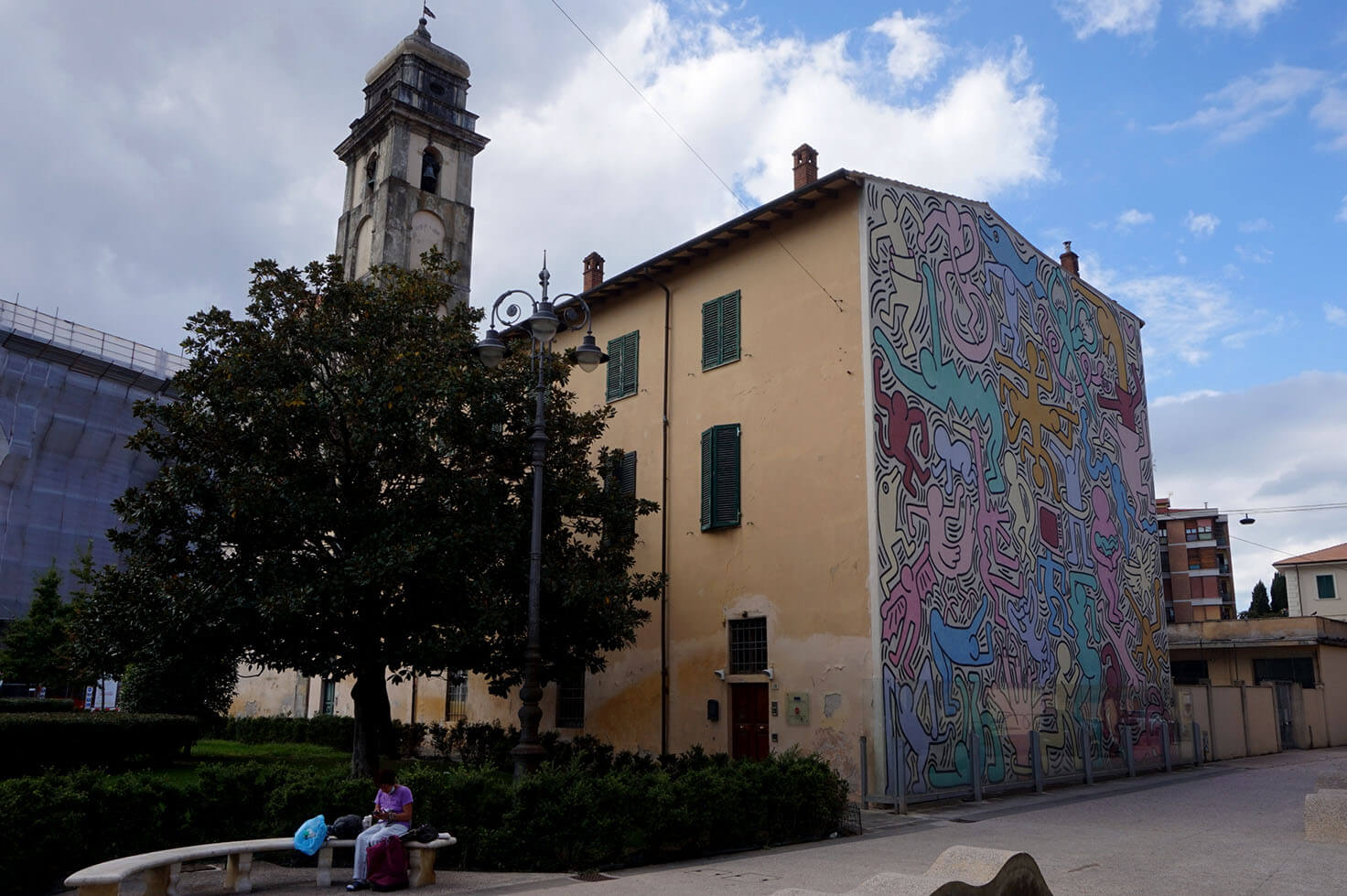
Pisa is home to a permanent mural by one of the world’s most renowned street artists. Keith Haring’s Tuttomondo talks about human unity and the creation of peace. It’s on the back of the Church of Sant’Antonio Abate.
A few steps away, on the corner of Cesare Battisti and Silvio Pellico streets, we find another large mural. The famous Italian artist Kobra painted Galileo Galilei holding the Leaning Tower as a telescope.
Though these two are probably the most famous, they are not the only ones. In 2017, several interesting pieces popped up in the Porta a Mare neighborhood. The best place to look for them is the roundabout where Conte Fazio and Ranieri Sardo streets meet.
Shop on Corso Italia
Corso Italia is Pisa’s main street. It connects Piazza Vittorio Emanuele II, near the train station, with Ponte di Mezzo across the Arno River. Built during the Middle Ages, it became pedestrianized in the late 20th century.
Many local and international shops dot this lively street. You can find anything from fashion and accessories to school and office supplies. One place we recommend is the art studio Iris Galerie Pisa. They can turn a photo of your iris into a piece of art or jewelry. If you are into vintage clothing, we suggest checking out V Lab Vintage.
Don’t forget to check out the historic sites. The San Domenico Church from 1395, the Santa Maria del Carmine Church from 1613, and the 17th-century Palazzo Simoneschi are the most remarkable ones.
Where to Stay in Pisa
The best places to stay in Pisa are around its historic core. We are talking about the Santa Maria, San Francesco, Sant’Antonio, and San Martino neighborhoods. Most sights are here, and the train station is nearby.
Our favorite hotel in Pisa is Rinascimento Bed & Breakfast. Located directly on Borgo Stretto, it’s a medieval tower with large rooms with painted ceilings. Their complimentary breakfast is delicious.
If you prefer staying in a less crowded area, we suggest booking a room at Palazzo Cini Luxury Pisa. The lovely hotel is set inside an Art Nouveau palace with a gorgeous garden and plenty of art.